

Painting interventions in public spaces can take different forms and serve different purposes: from enhancing the aesthetic appeal of squares, pavements and pedestrian areas, to regenerating neighbourhoods and developing urban experimentation projects designed to generate new social and cultural dynamics.
A defined urban area — a small open space, the area in front of a school, a square or a pedestrian area — can be transformed reversibly through temporary installations, low-impact pavement decorations, ground markings, colour and movable street furniture.
These interventions can be introduced both in pedestrian areas, where there is a need to improve quality, recognisability and the ability to accommodate new functions, and in areas currently used mainly for traffic or parking.
In the latter case, temporary transformation makes it possible to experiment with a different balance between mobility, public space and neighbourhood life, returning parts of the city to people and creating new places for social interaction and community life.
The aim is to quickly assess the effects of urban change by observing how people move through, experience and use the space, while gathering direct feedback from citizens, users and local stakeholders. The reversible nature of the intervention also makes it possible to adjust the solution during implementation, reducing the risk of making permanent decisions that have not yet been validated through everyday experience.
Tactical Urbanism is not an alternative to traditional urban planning, but a more agile and measurable intermediate step, capable of anticipating the effects of a project and guiding future decisions based on real-life behaviour.
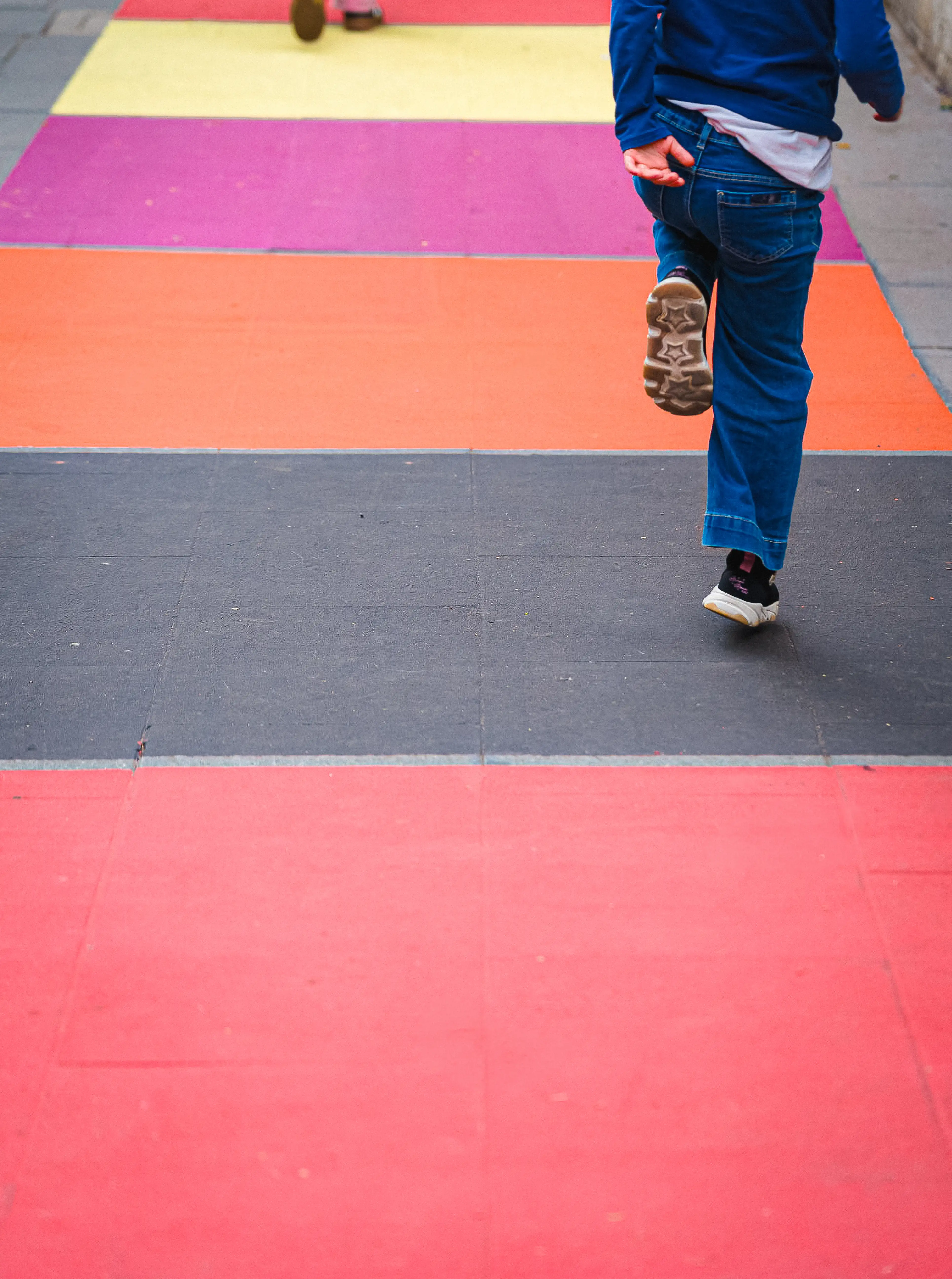
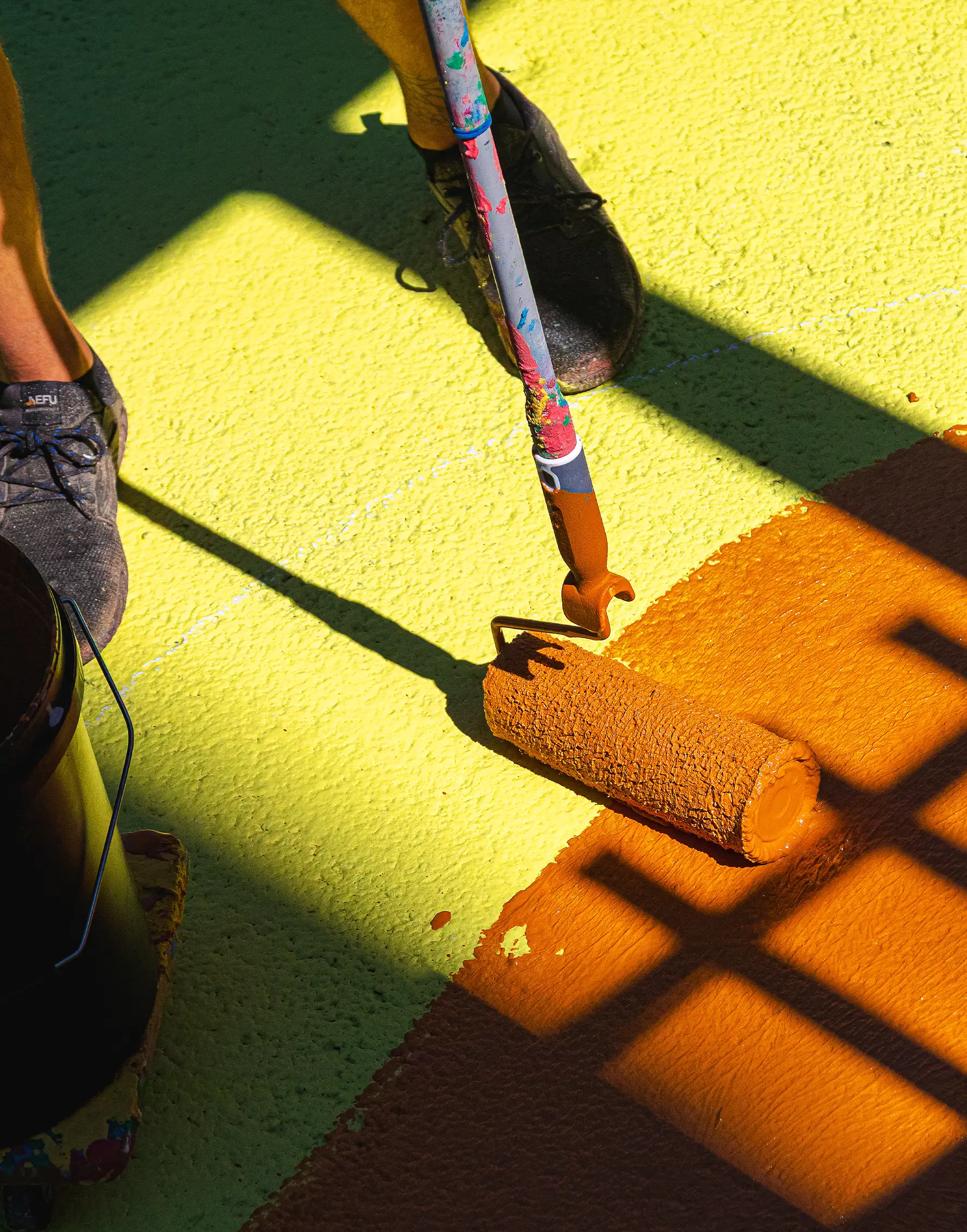
In recent years, Tactical Urbanism has established itself as an operational methodology adopted by forward-thinking public authorities. Its effectiveness lies in its ability to act quickly through lightweight and temporary solutions, generating tangible transformations in public space.
This approach makes it possible to reconfigure areas currently dedicated to vehicular traffic, such as parking areas and intersections, reclaiming them for people through rapid interventions that can easily be adapted.
Tactical Urbanism can be applied in a wide variety of situations, adapting to the scale, characteristics and needs of each location.
In some cases, these interventions are used within broader urban regeneration programmes implemented through a coordinated system of actions. In others, they focus on specific contexts — such as school areas or green spaces — where there is a need to improve safety, accessibility and the quality of public space.
This versatility makes it possible to operate through both local micro-transformations and broader urban strategies, while maintaining a progressive and adaptive approach.
The selection of locations may derive from guidelines set by local authorities or from needs expressed by associations, committees and organisations active in the area. In this context, every project takes shape as the result of a balance between operational opportunities, the institutional framework and active engagement in local communities.
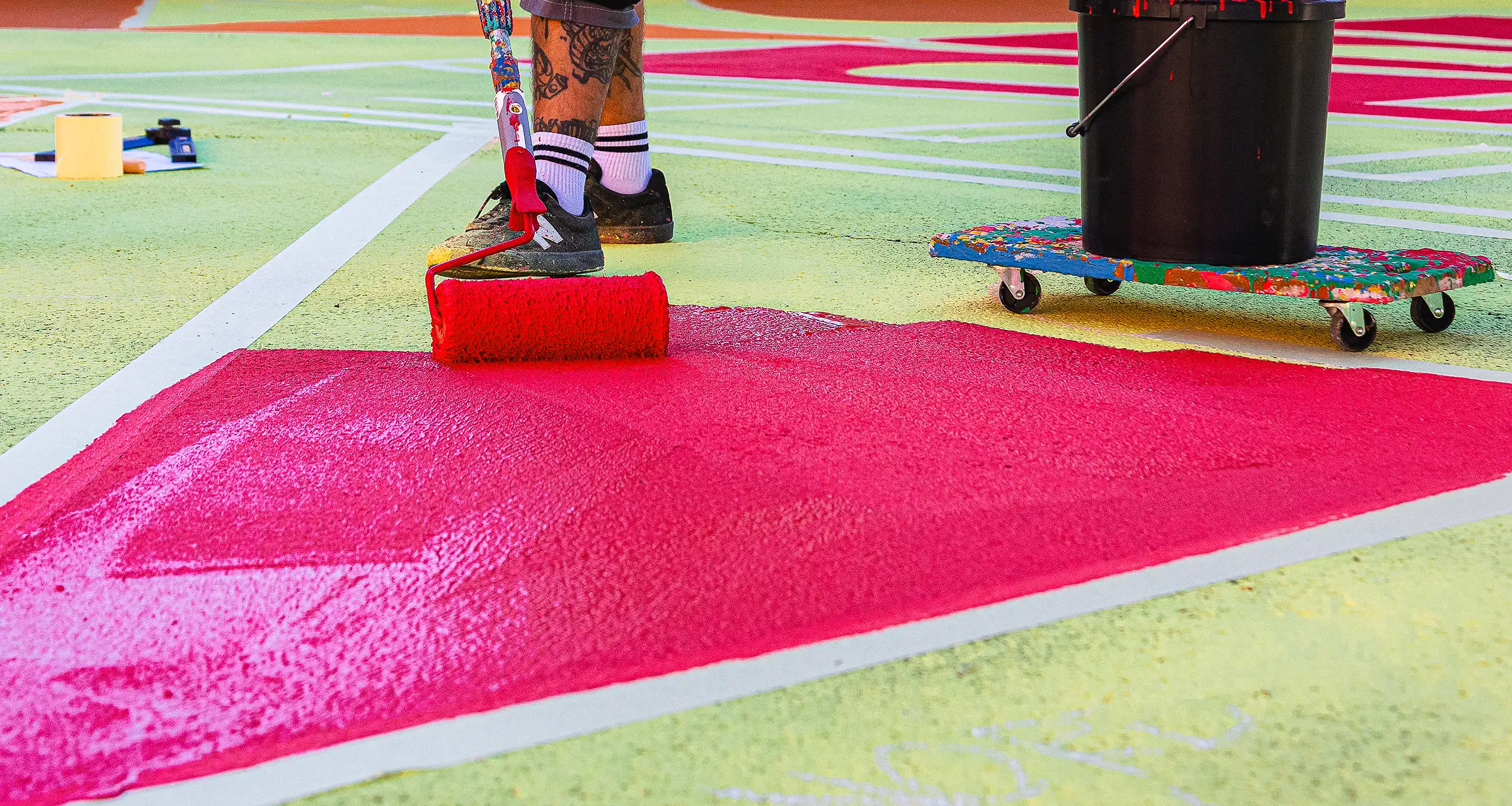
One of the key aspects of Tactical Urbanism is its participatory dimension. It is not limited to transforming physical space, but also contributes to activating new social dynamics.
Projects are developed around the real needs of the local area and involve public authorities, citizens, associations and local stakeholders. This process encourages the active and conscious use of public space, contributing to the creation of places for social interaction and community.
Quantitative data makes it possible to view the project not only as a single urban intervention, but as a replicable operational model capable of generating visible effects on a broader scale.
For public authorities, Tactical Urbanism is an operational tool for testing urban solutions before making them permanent. At the same time, it can become a driver of social and cultural engagement, capable of involving local communities and fostering a shared sense of ownership of public space.
These two dimensions are not alternatives: they often coexist and reinforce one another.
This approach makes it possible to anticipate urban transformations and verify their effectiveness in practice. It helps reduce project risk, shorten decision-making times, collect real data on the use of public space and involve citizens and stakeholders directly.
The result is a progressive and iterative process in which every action generates useful information for the subsequent stages of urban transformation.
Visual language is one of the main tools of Tactical Urbanism.
Graphic elements, colours and patterns do not serve a purely decorative purpose, but play a design role: they influence the perception of space and contribute to redefining its identity.
Alongside the visual dimension, an environmentally beneficial solution based on the use of photocatalytic paints can contribute to reducing certain pollutants, such as nitrogen oxides (NOx), introducing a new dimension of sustainability into urban transformation.

Tactical Urbanism interventions can be developed with the contribution of illustrators, designers and street artists, creating distinctive, site-specific artworks on urban surfaces with a new cultural value.
The project therefore becomes more than a simple redefinition of space: it introduces an original visual language capable of attracting attention, strengthening the identity of a place and transforming it into a recognisable landmark for the community.